
Ester Expósito: Una de las actrices más populares de la nueva generación española
Ester Expósito es una actriz española reconocida internacionalmente por su trabajo en cine y televisión.
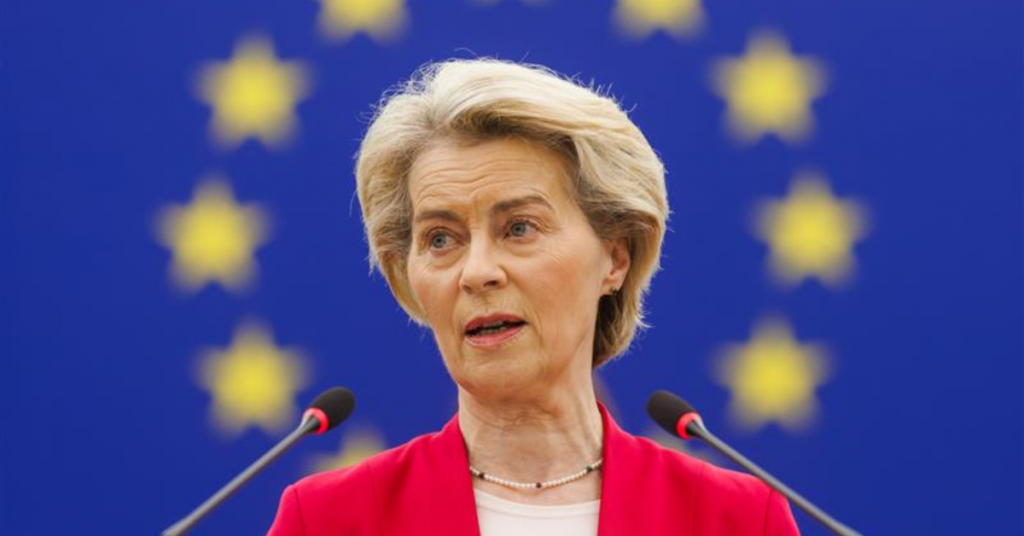
Social media platforms in Europe are entering a new era of regulation. Over the last few years, the European Union has introduced new digital rules aimed at increasing transparency, improving user safety, and giving consumers more control over how online platforms operate.
For businesses, creators, advertisers, and everyday users, these changes are already reshaping how social media works across the region.
European regulators argue that large digital platforms now play a major role in society — influencing communication, commerce, news distribution, and advertising.
As a result, lawmakers want platforms to become more accountable in areas such as:
The goal is not to eliminate social media, but to create clearer rules for how platforms handle user information and digital influence.
One of the biggest regulatory developments is the Digital Services Act.
The DSA introduces new requirements for major online platforms operating in Europe, including:
Large social platforms may also need to explain why users are seeing certain advertisements or recommended content.
For advertisers and marketers, this could gradually change how audience targeting works inside the EU.
Europe has already become known for strong privacy laws through the General Data Protection Regulation, commonly called GDPR.
Under these rules:
This has pushed many social media companies to redesign parts of their advertising and tracking systems.
Targeted advertising remains one of the most discussed topics.
Many digital platforms rely heavily on personalized ads powered by user behavior, interests, and browsing activity. EU regulators are increasingly examining how that data is collected and whether users fully understand how it is being used.
Potential long-term changes could include:
For businesses running campaigns in Europe, compliance and transparency are becoming increasingly important.
Major technology companies are adapting their systems to meet evolving European requirements.
Platforms may invest more heavily in:
Some companies are also adjusting recommendation algorithms to reduce concerns around misinformation or harmful content amplification.
While regulation increases operational complexity, it may also create opportunities.
Brands that prioritize:
could benefit from stronger consumer confidence over time.
Companies that adapt early to changing rules may also face fewer disruptions as digital regulations continue evolving globally.
The EU’s approach is influencing discussions far beyond Europe.
Other regions are closely watching how these regulations affect:
As digital platforms become increasingly global, European standards could shape future policies in additional markets.
EU social media regulations are part of a broader shift toward greater oversight of digital platforms and online advertising ecosystems.
For users, this may lead to more transparency and privacy protections. For businesses and marketers, it means adapting to a digital environment where compliance, trust, and responsible advertising practices are becoming central to long-term success.
The social media industry is unlikely to slow down — but the rules governing how platforms operate are clearly evolving.
Disclaimer: This article is for informational purposes only and should not be considered legal, regulatory, or investment advice. Businesses operating in the EU should consult qualified legal professionals regarding compliance obligations.
Ester Expósito es una actriz española reconocida internacionalmente por su trabajo en cine y televisión.
Fernando Alonso es un piloto español de Fórmula 1 considerado como uno de los mejores
Pedro Sánchez es un político español que ejerce como presidente del Gobierno desde 2018 y
Disclaimer
Last Updated: February 2024
1. Educational Purpose Only
All information, courses, and resources provided by Ccpdigitalmedia (“we,” “us,” or “our”) on this website are for educational and informational purposes only. While we strive to deliver high‑quality, practical training in web design and internet marketing, we make no guarantees, representations, or warranties that any specific skill, income level, or business outcome will be achieved.
2. No Guarantee of Results
Our course statistics (including “Students Enrolled,” “Courses Completed,” “Happy Clients,” and “Successful Projects”) represent historical data and user‑reported metrics. They are not a guarantee, promise, or prediction of your own success. Individual results vary based on effort, prior knowledge, market conditions, and countless other factors.
3. Testimonials & Case Studies
Testimonials displayed on this site are from real students and clients. However, they are individual experiences and may not reflect the typical user’s results. We do not claim that every learner will achieve the same outcomes.
4. Professional Advice
The content on this website is not a substitute for professional legal, financial, or business advice. You should consult a qualified professional before making any business or investment decisions.
5. Third‑Party Links
Our site may contain links to third‑party websites or services. We are not responsible for the content, accuracy, or practices of those sites.
6. Company Information
Ccpdigitalmedia is operated by [Insert Legal Company Name, e.g., CCP Digital Media LLC / SL] .
For any inquiries, please contact us at: